
What Is a Medical Daycare? A Complete Guide to PPEC Services for Medically Complex Children
Tender Care provides skilled nursing services in a daycare-like environment.

When a child has complex medical needs, parents often face a difficult challenge: finding care that is both medically skilled and developmentally supportive. This is where medical daycare, also known as Prescribed Pediatric Extended Care (PPEC), plays a vital role.
In this guide, we’ll explain what a medical daycare is, how PPEC centers work, who qualifies, and why they are an essential healthcare option for children with special medical needs.
What Is a Medical Daycare?
A medical daycare is a licensed healthcare facility that provides continuous medical care, therapy, and supervision for children with chronic or complex medical conditions during daytime hours. Unlike traditional daycare centers, medical daycares are staffed by licensed nurses and healthcare professionals.
Medical daycare is most commonly referred to as PPEC (Prescribed Pediatric Extended Care) in many states, including Florida and Texas.
What Is a PPEC (Prescribed Pediatric Extended Care) Center?
A PPEC center is a specialized pediatric healthcare facility designed for children from birth to age 21 who require ongoing medical care but do not need hospitalization.
PPEC services are physician-prescribed and focus on:
-
Medical monitoring
-
Skilled nursing care
-
Developmental support
-
Social interaction in a safe, clinical environment
These centers bridge the gap between hospital care and home care, allowing children to thrive while giving families peace of mind.
What Services Does a Medical Daycare Provide?
A licensed medical daycare or PPEC typically offers:
🩺 Skilled Nursing Care
-
Medication administration
-
Tube feeding (G-tube, J-tube)
-
Tracheostomy care
-
Ventilator support
-
Oxygen therapy
-
Seizure monitoring
🧠 Therapy Services
-
Physical therapy (PT)
-
Occupational therapy (OT)
-
Speech therapy (ST)
👶 Developmental & Educational Activities
-
Age-appropriate learning
-
Social interaction with peers
-
Structured play and cognitive development
🍎 Nutrition & Daily Care
-
Specialized feeding plans
-
Assistance with activities of daily living (ADLs)
-
Hygiene and personal care
Who Qualifies for Medical Daycare or PPEC?
Children who may qualify for medical daycare services include those with:
-
Premature birth complications
-
Cerebral palsy
-
Genetic or neurological disorders
-
Chronic respiratory conditions
-
Feeding disorders requiring tube feeding
-
Seizure disorders
-
Developmental delays with medical complexity
A doctor’s referral is required to enroll a child in a PPEC program.
Medical Daycare vs. Traditional Daycare: What’s the Difference?
| Traditional Daycare | Medical Daycare (PPEC) |
|---|---|
| Basic supervision | Skilled nursing care |
| No medical staff | Licensed nurses on-site |
| Limited accommodations | Specialized medical support |
| Not insurance-covered | Often covered by Medicaid |
Medical daycare centers are healthcare facilities, not babysitting services.
Is Medical Daycare Covered by Insurance or Medicaid?
In many states, PPEC services are fully covered by Medicaid, and some private insurance plans may also provide coverage. This makes medical daycare a cost-effective option for families who need high-level care without hospitalization or private-duty nursing at home.
Coverage may include:
-
Nursing services
-
Therapies
-
Medical supplies
-
Transportation (in some cases)
Benefits of Medical Daycare for Families
✔ Allows parents to work or attend school
✔ Reduces caregiver burnout
✔ Prevents unnecessary hospitalizations
✔ Encourages socialization and development
✔ Provides consistent medical oversight
Children receive holistic care, while families gain essential support.
How to Choose the Right Medical Daycare or PPEC Center
When searching for a medical daycare near you, consider:
-
Licensing and state certification
-
Nurse-to-child ratio
-
Available therapies
-
Emergency preparedness
-
Cleanliness and safety
-
Communication with parents
Searching terms like “medical daycare near me”, “PPEC center near me”, or “pediatric medical daycare” can help you find local options.
Final Thoughts: Why Medical Daycare Matters
Medical daycare / PPEC centers provide a lifeline for children with medical complexities and their families. By combining healthcare, therapy, and social development in one place, these centers help children reach their fullest potential, safely and compassionately.
If your child has ongoing medical needs, a medical daycare / PPEC center may be the right solution for your family.
Tender Care provides care for medically complex and fragile children from birth to 21 years of age in a daycare-like environment staffed with nurses, CNAs, and therapists. We are the first independently owned PPEC in the State of Florida with our initial center opening in 1988. This means we have an abundance of experience and knowledge in providing loving care to this special pediatric population. We have 6 Tender Care PPEC centers throughout Florida, with our newest facility located in Gainesville.
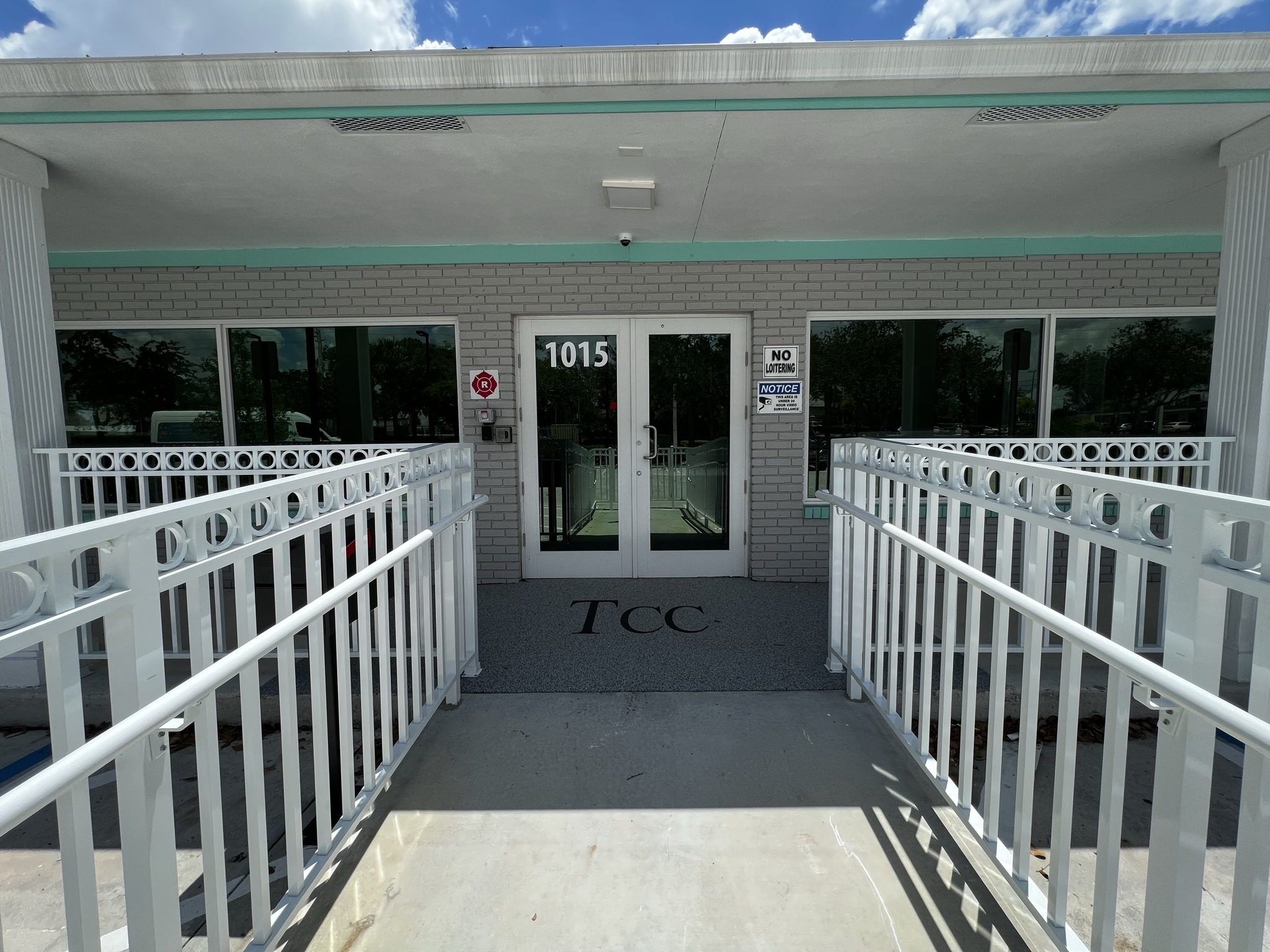
Our goal is to enhance the development of each child through collaborative relationships between families, physicians, nurses, and therapists. This holistic approach to care is carried out in an environment that allows the child to engage in social interactions with their peers. This results in thriving children, well-positioned to achieve their greatest potential. We also offer transportation at no cost and provide nutritious meals throughout the day.
What sets us apart is that we care for and treat every child like family. We have passion in our hearts for our children and a desire to see them succeed.
We are so excited to have a table at this fair and can’t wait to meet all the families that attend.
You can follow us on Facebook, TikTok, Instagram, LinkedIn, and YouTube.
PPEC Offers Many Advantages…
To the child/family:
- Centrally located nursing and therapy decreases intrusions into family dynamics at home
- Increased socialization with other children
- Decreased hospitalization
- Personalized case management ensuring the best care for your child
- Offers caregivers increased potential to return to work or school
- Early detection of potential health problems by licensed professionals
To the payer:
- Decreased hospitalizations through early detection and case management
- Increased compliance with plan of care resulting in less utilization of health care benefits
- An average savings of 40% to 50% compared to Home Health services
Common pediatric diagnoses that indicate a potential need for daily skilled nursing services:
- Premature infants diagnosed with bronchopulmonary dysplasia, apnea of prematurity, oxygen and pulse oximetry dependence
- Cerebral palsy with gastrostomy or jejunostomy dependence and/or seizures
- Spina bifida with or without an Arnold Chiari malformation and shunt monitoring, and urinary catheterization dependence
- Certain cardiac anomalies
- Post-transplant status
- Immunosuppressed status
- Tracheostomy status (with or without ventilator dependence)
- Failure to thrive
- Chronic Kidney Disease
- History of hypoxic-ischemic encephalopathy
- Adrenal Insufficiency
- Presence of a colostomy, ileostomy, urostomy, or vesicostomy
*This is not medical advice, always consult with your child’s doctor before making any changes to their lifestyle.